
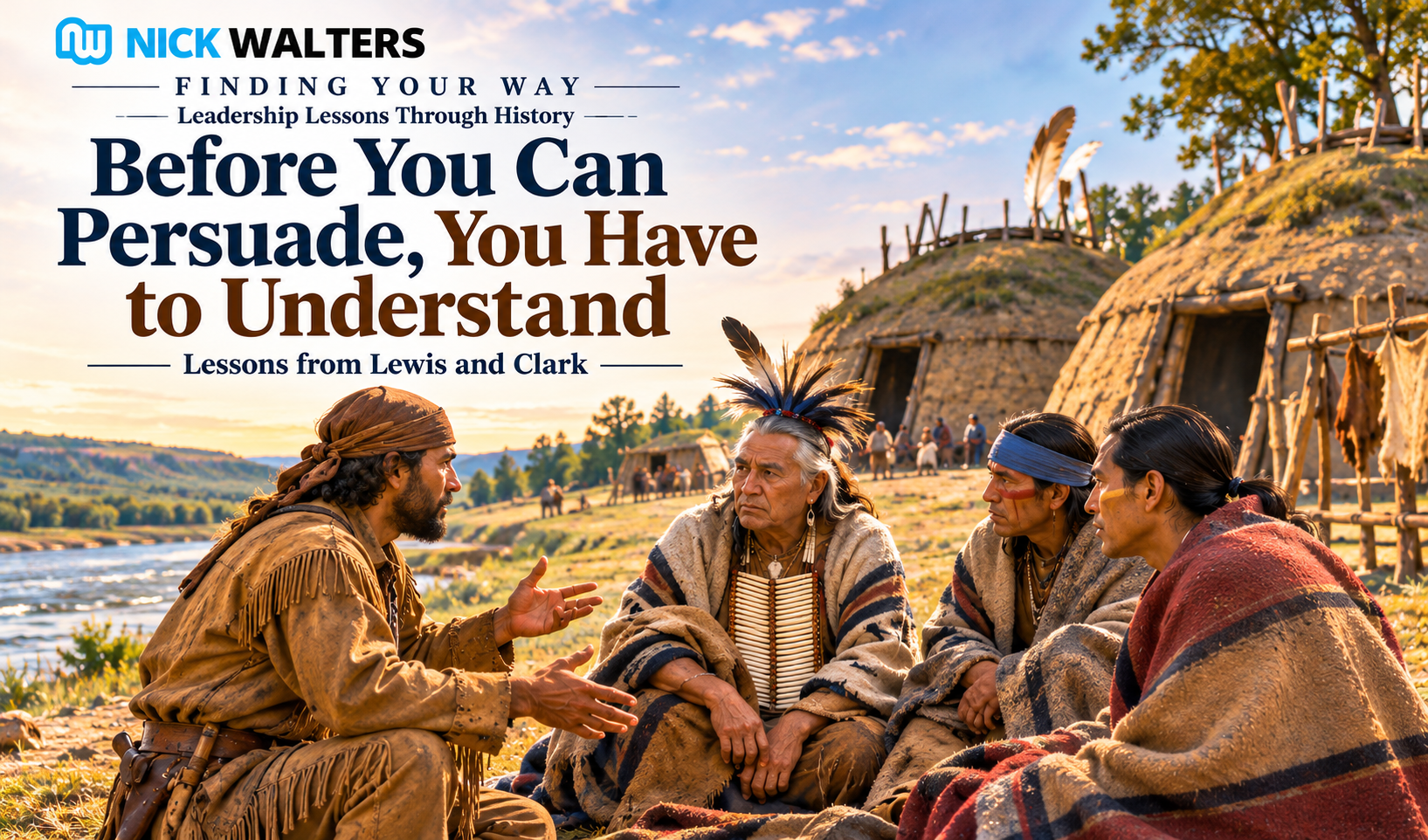
Before You Can Persuade, You Have to Understand
Delivering difficult news is one of leadership's toughest responsibilities. Chris Voss's Never Split the Difference explains why understanding the other person's perspective matters before attempting persuasion. The story of Joseph Gravelines, a little-known interpreter and diplomat connected to the Lewis and Clark expedition, shows how valuable that understanding can be when the stakes are high.
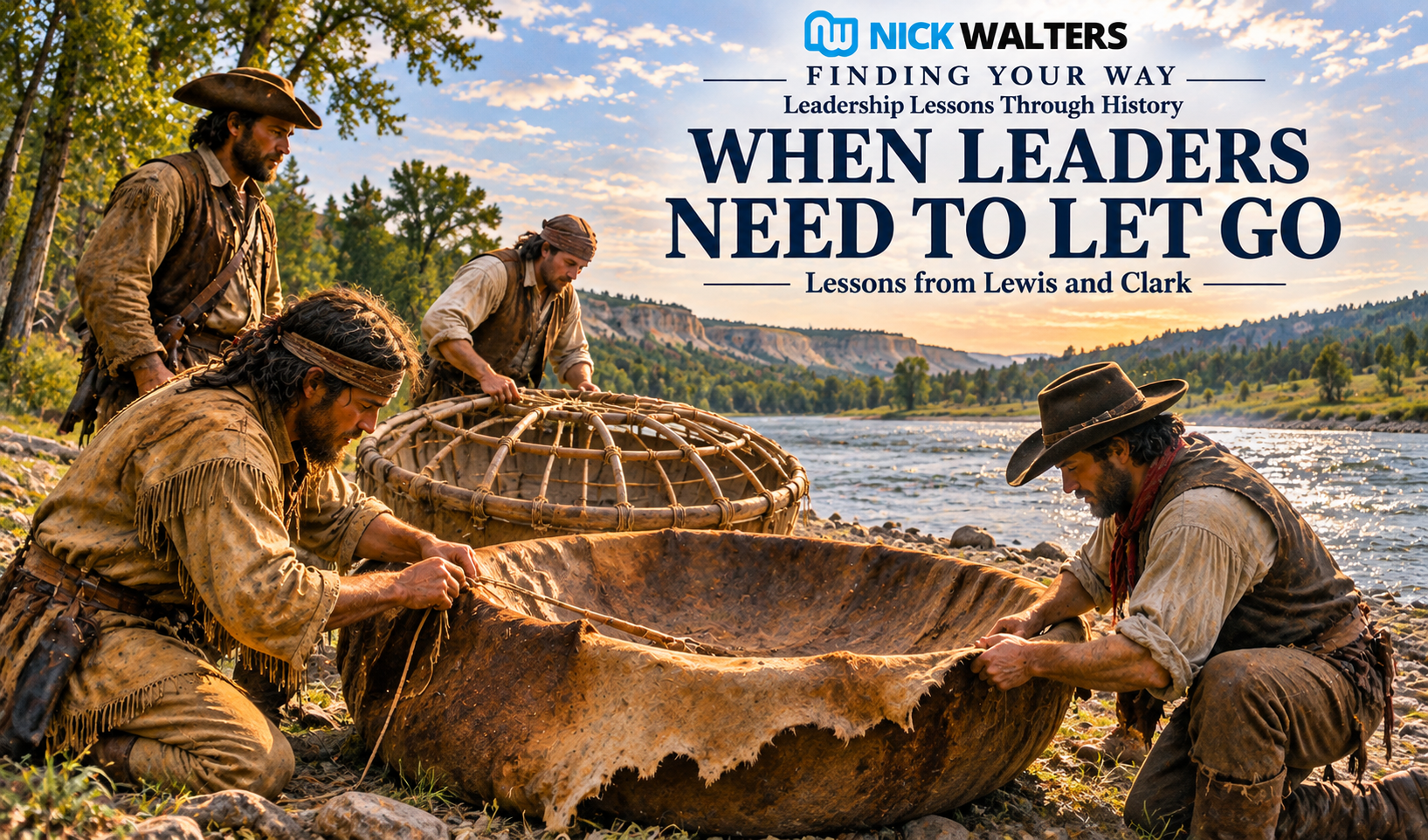
When Leaders Need to Let Go
When Sergeant Nathaniel Pryor lost his horses along the Yellowstone River in 1806, he had to find a way forward without William Clark's instructions. His solution offers a lesson in delegation, trust, and responsibility—one that connects surprisingly well with Roger L. Martin's leadership book The Responsibility Virus.

Because Every Voice Matters
In November 1805, Lewis and Clark faced a difficult decision about where to spend the winter. Instead of deciding alone, they consulted their expedition, including York and Sacagawea. Their story, combined with insights from Charles Duhigg's Smarter Faster Better, offers an important lesson about leadership: Good ideas don't always come from the people in charge.
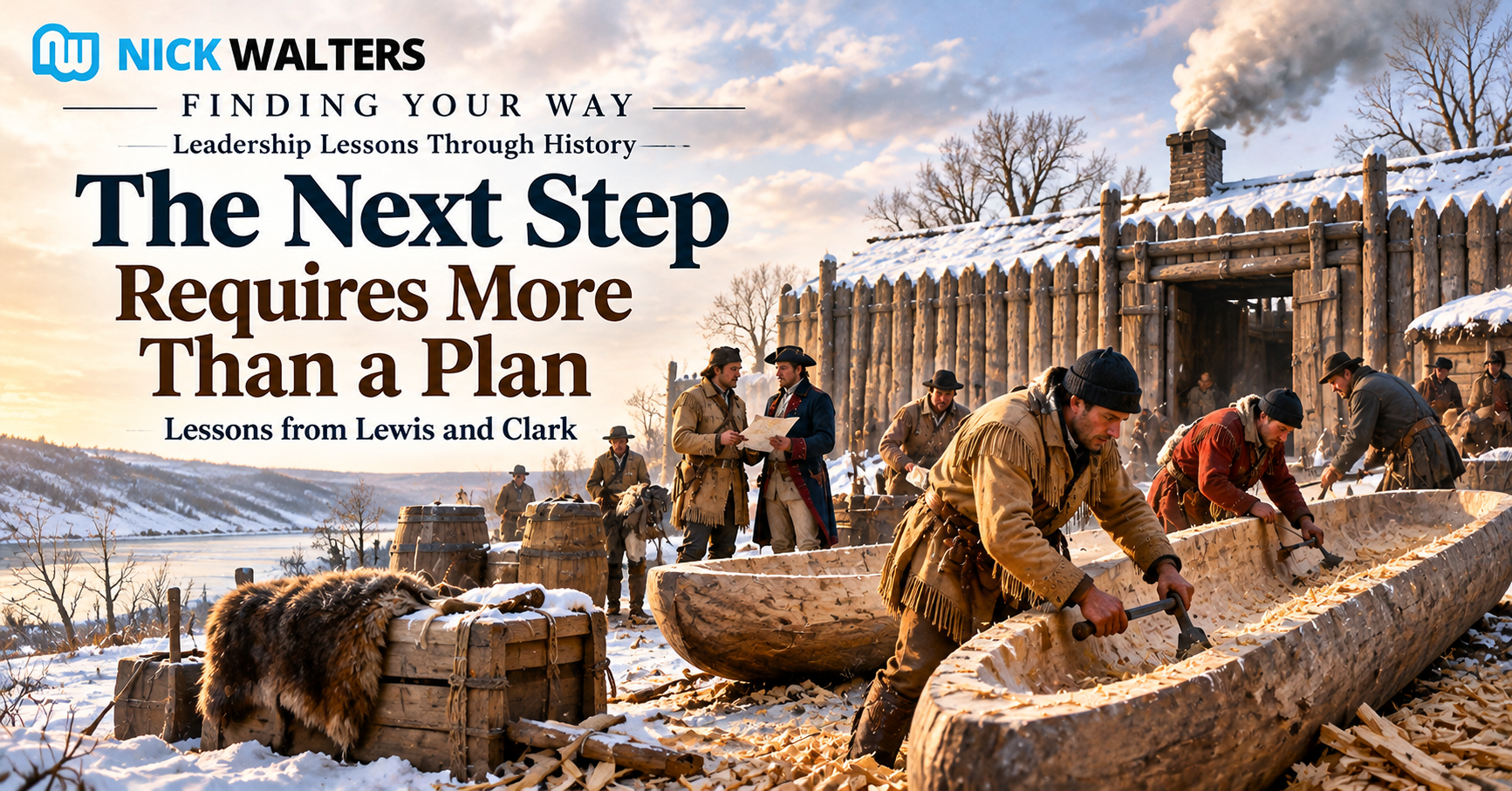
The Next Step Requires More Than a Plan
Lewis and Clark spent the winter of 1804–1805 at Fort Mandan preparing for the next stage of their journey to the Pacific. Their experience offers a valuable leadership lesson: having a strategy is one thing, but getting your people, resources, and priorities lined up to carry it out is something else entirely.
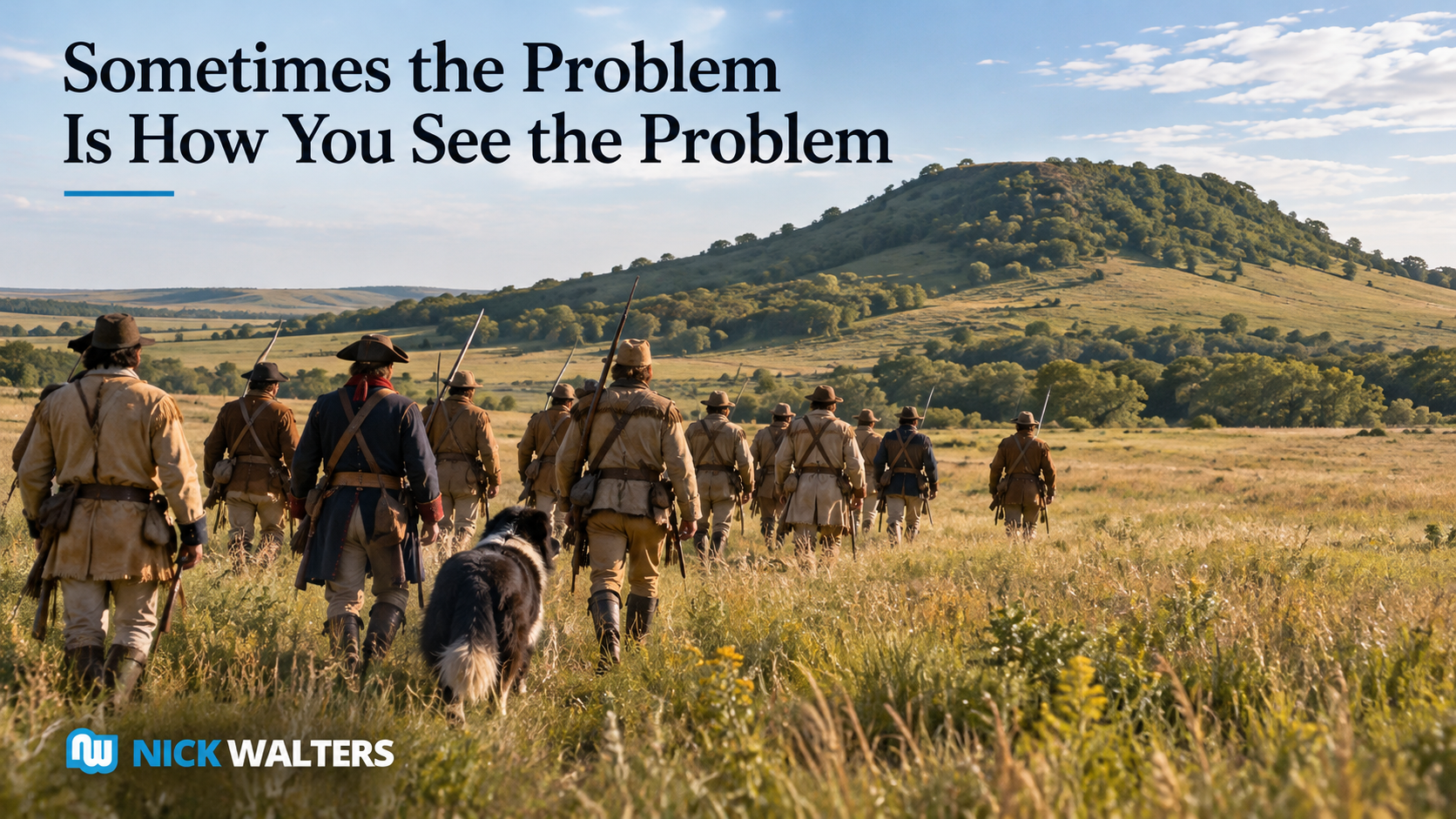
Sometimes the Problem Is How You See the Problem
When Sacagawea recognized Beaverhead Rock in 1805, she provided Lewis and Clark with valuable evidence that helped confirm their course. Her story illustrates a principle from Jim Collins' Good to Great: successful leaders confront the facts rather than rely on assumptions.

Are You Leading with Facts—or Assumptions?
When Sacagawea recognized Beaverhead Rock in 1805, she provided Lewis and Clark with valuable evidence that helped confirm their course. Her story illustrates a principle from Jim Collins' Good to Great: successful leaders confront the facts rather than rely on assumptions.

When the River Stopped, the Work Didn't
When Lewis and Clark reached the Great Falls of the Missouri River, their progress came to a halt. What followed was nearly a month of difficult work that illustrates Jim Collins' 20 Mile March principle: lasting success often comes through disciplined, consistent progress.
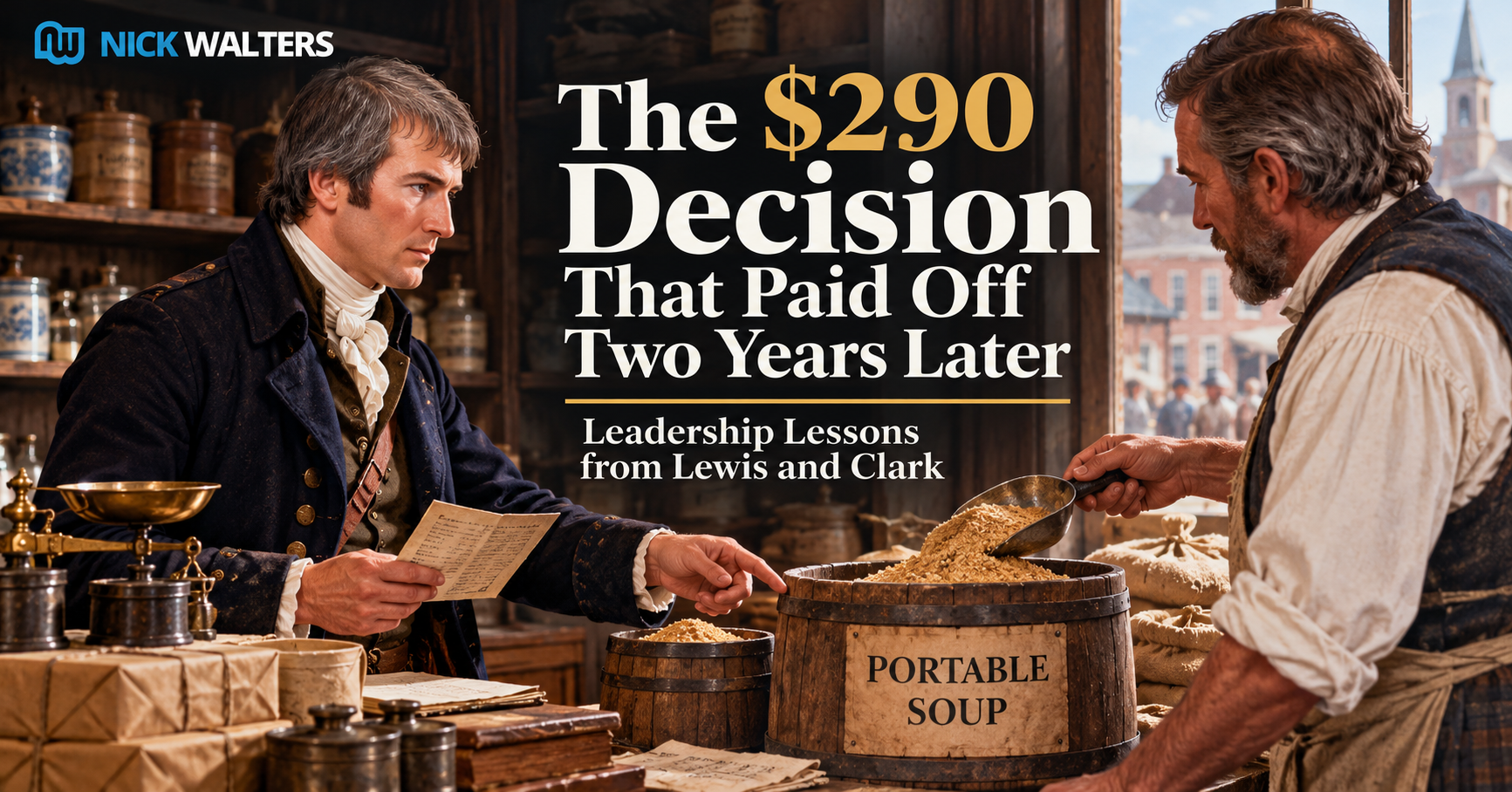
The $290 Soup Decision That Paid Off Two Years Later
In 1803, Meriwether Lewis spent nearly $290 on portable soup that would help sustain his men two years later. His decision reveals a powerful leadership lesson from Jim Collins' Great by Choice: prepare for trouble before it arrives.
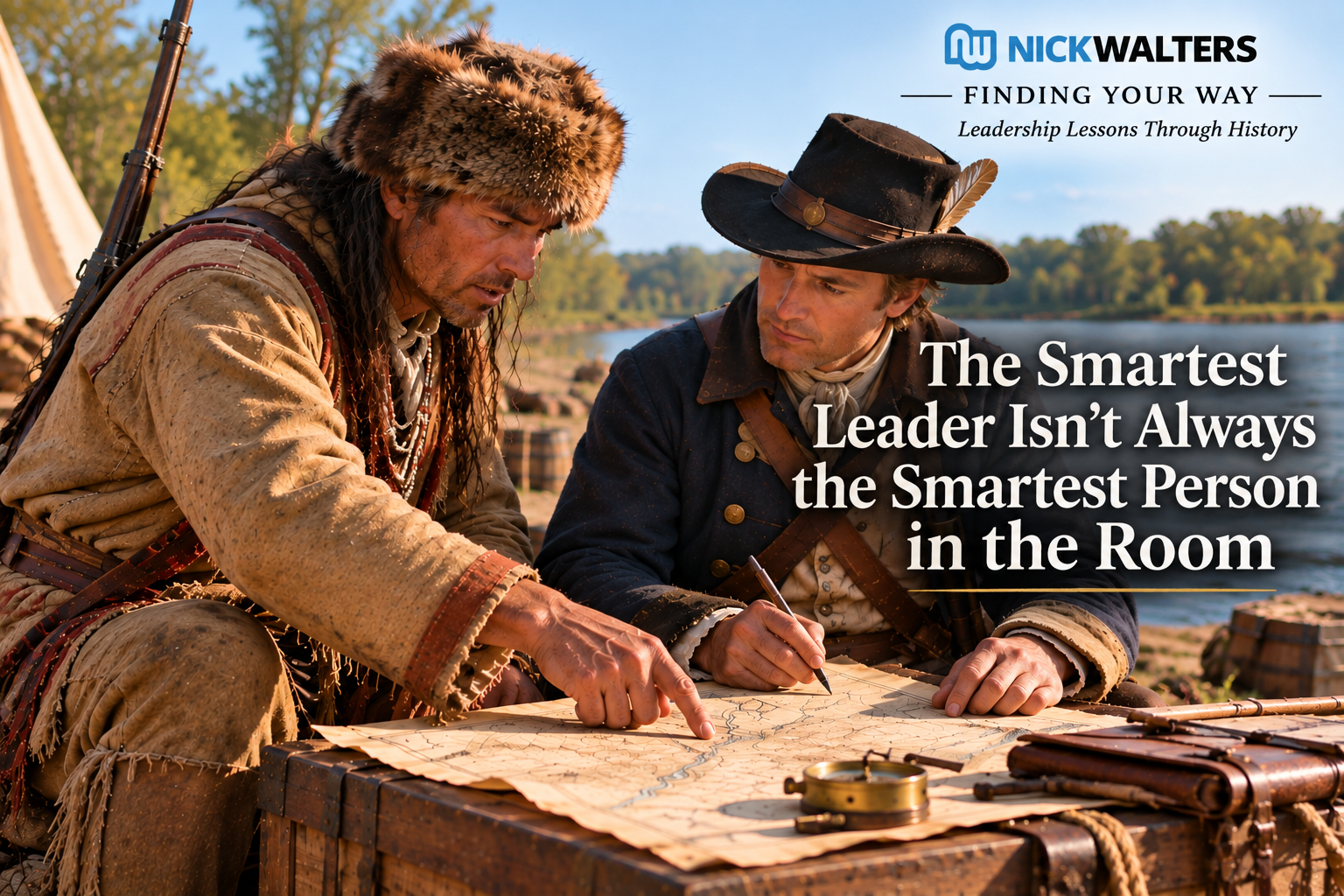
The Smartest Leader Isn't Always the Smartest Person in the Room
The smartest leader doesn't have to know everything. Discover how William Clark used George Drouillard's knowledge to make better maps—and what that teaches us about getting the best from our teams.
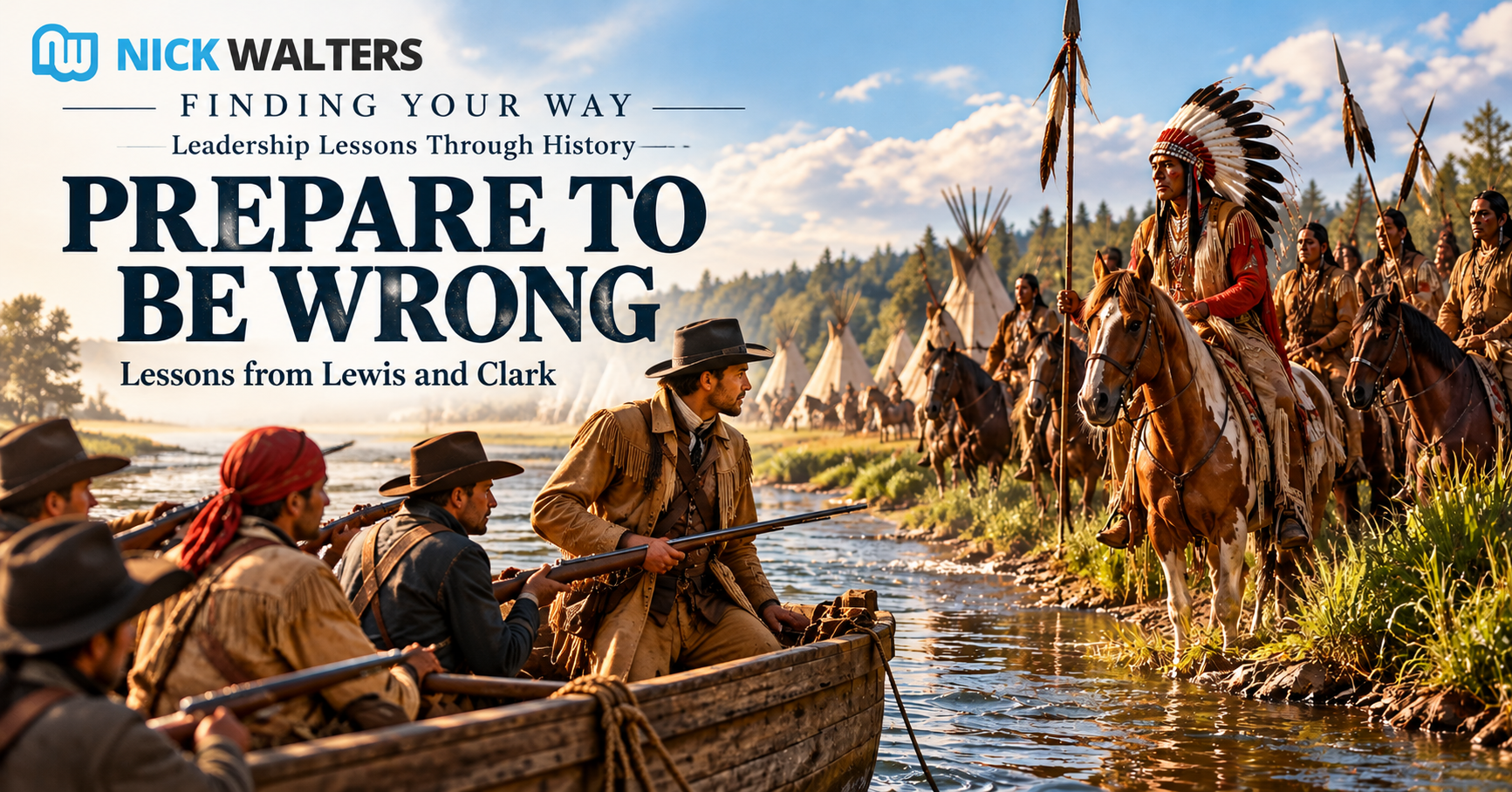
Prepare to Be Wrong
A tense encounter with the Teton Sioux shows why effective leaders must question their assumptions, recognize warning signs, and prepare for unexpected outcomes.